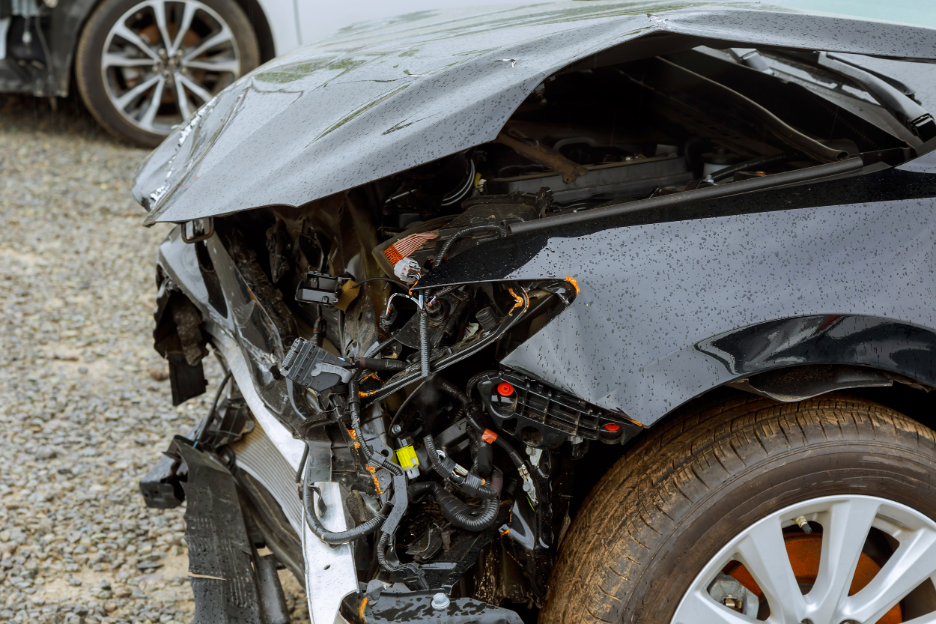
Fault in a Florida car accident case is determined by looking at how the crash happened and whether one or more drivers failed to use reasonable care or follow applicable traffic laws. Evidence such as photographs, witness statements, vehicle damage, video footage, and roadway conditions can all help establish responsibility.
Below, this car accident lawyer in Auburndale, Florida is going to explain how fault is evaluated under Florida law, what evidence may be considered, and what happens when more than one driver shares responsibility.
How Is Fault Determined After a Florida Car Accident?
Fault is based on the facts surrounding the collision.
Investigators, insurance companies, attorneys, and, when necessary, the court may consider what each driver was doing before the crash and whether a traffic violation or other negligent action contributed to it.
A knowledgeable car accident lawyer in Auburndale, Florida can review the available evidence and determine how Florida negligence law may apply to the circumstances.
What Evidence Can Help Establish Fault?
Several types of evidence may be relevant.
Photos and videos can show vehicle positions, road conditions, traffic signals, skid marks, and visible damage. Witness statements may provide an independent account of what happened. Medical records, vehicle inspections, electronic data, and other documentation may also become important depending on the case.
Preserving evidence soon after a collision can make it easier to reconstruct what occurred.
Does the Police Report Decide Who Is at Fault?
Not necessarily.
A law enforcement officer may document the scene, identify witnesses, record information about the vehicles, and issue a citation when appropriate. That information can be useful when a claim is investigated.
However, the final legal determination of fault in a disputed civil case is not made simply because one driver is identified a certain way in a crash report. The entire body of admissible evidence must be considered.
Can Both Drivers Be at Fault in Florida?
Yes.
Florida uses a comparative fault system, which means responsibility can be divided among multiple parties. If a driver contributed to the crash, that person’s percentage of fault can affect the damages he or she may recover.
An experienced car accident lawyer in Auburndale, Florida can evaluate allegations of shared responsibility and the evidence supporting each party’s position.
What Happens If I Am Partially at Fault?
Under Florida law, a person’s recoverable damages in an applicable negligence case are generally reduced according to that person’s percentage of fault.
Florida also follows a modified comparative fault rule. If a party is found to be more than 50 percent at fault for his or her own harm in a negligence action covered by the statute, that party may not recover damages.
Because the percentage assigned can have a major effect on a case, disputed fault should be evaluated carefully.
Does Florida’s No-Fault Insurance System Mean Fault Does Not Matter?
No.
Florida requires personal injury protection coverage for many motor vehicle policies, and certain benefits may be available without first proving that another driver caused the crash.
Fault can still matter when determining liability for losses pursued against another party and when a personal injury claim moves through Florida’s civil legal system.
Who Decides the Percentage of Fault?
That depends on how the claim is resolved.
Insurance companies may make liability assessments while handling a claim, and attorneys may dispute those conclusions during negotiations. If the case proceeds to trial, the factfinder determines fault based on the evidence presented and Florida law.
For people injured in Auburndale, Florida, this is one reason it can be important to preserve evidence rather than relying only on an initial insurance determination.
What Should I Do If Fault Is Being Disputed?
Keep records connected to the collision, including photographs, medical information, repair documentation, correspondence, and contact information for witnesses.
Avoid guessing about what happened when you do not know. A careful investigation can compare the physical evidence, statements, and applicable traffic laws before conclusions are reached.
At Tonya Stewart Law PA, we investigate Florida car accident claims by examining the evidence and legal issues that may affect liability and recovery.
Looking for a Car Accident Lawyer in Auburndale, Florida?
Fault in a Florida car accident case may depend on driver conduct, traffic laws, physical evidence, witness accounts, and whether responsibility is shared. A professional car accident lawyer in Auburndale, Florida can review the circumstances and explain how Florida’s comparative fault rules may affect your claim.
At Tonya Stewart Law PA, we represent people injured in motor vehicle accidents and help them understand their rights under Florida law. Contact us to discuss your accident, the available evidence, and the legal options that may apply to your case.