After a car accident, one of the first things people hear about is the police report and how it can affect their claim. A police report is important in many cases, but it doesn’t always tell the full story.
Below, this car accident attorney in Haines City, Florida is going to explain the purpose of a police report. We will also discuss what a police report cannot do, and why it should never be the only evidence used in a Florida car accident case.
What is the purpose of a police report?
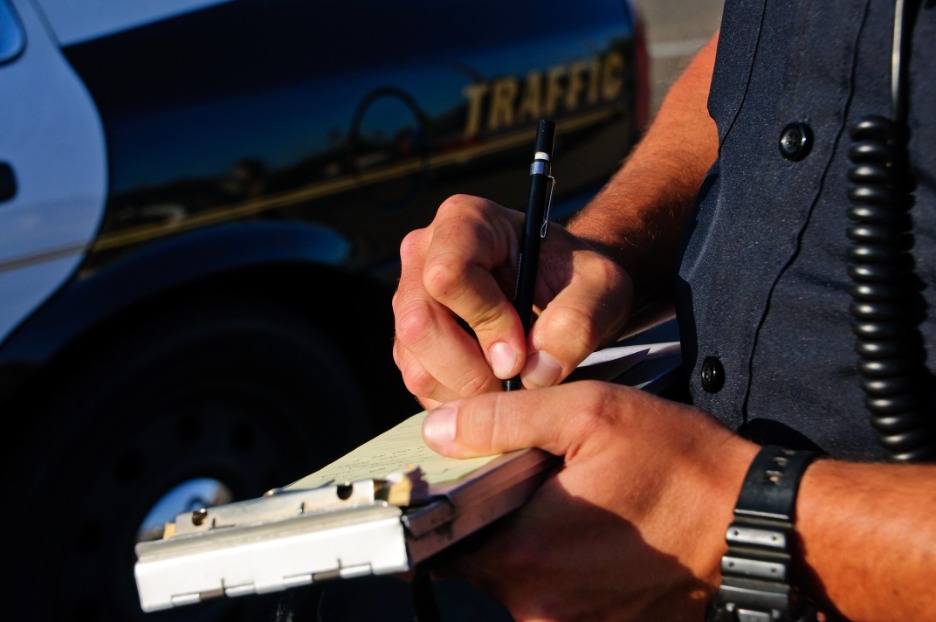
When officers arrive at an accident scene, they only document basic information about the crash. They do not conduct a full investigation at the scene. Because of this, the report only captures a moment in time. It does not fully explain what caused the accident.
How do insurance companies use police reports in accident claims?
Insurance companies check police reports early in the claims process. In fact, they treat the report as a neutral summary of the accident, even though officers usually write it before they know or verify all the facts.
If the report suggests that one driver made a mistake, insurance companies may rely on that wording to limit their liability for damages. This can happen even when other evidence exists that tells a different story.
Florida follows a modified comparative negligence rule that directly affects how courts calculate compensation. Under this rule, the court reduces your compensation based on your percentage of fault in the accident. If the court finds you more than 50% at fault, you cannot recover compensation at all. So, if an insurance company uses the police report to increase your share of fault, your claim could lose all its value.
Can an officer’s opinion decide fault in a car accident case?
Many people think that an officer’s opinion alone decides the outcome of a car accident case. That is wrong. An officer’s opinion does not legally decide fault in a civil car accident case.
An officer may note traffic violations in the report. Or they may describe what they believe caused the accident based on their own observations at the scene. But these statements are not final decisions, and the judge or jury does not always have to agree with them.
What happens when a police report has mistakes?
Officers generally write police reports hastily because they must manage traffic and stressed (possibly injured) drivers at the same time. Because of this, errors can happen even when officers do their best. Officers may leave out important details or record some statements inaccurately.
The problem is that insurance companies see police reports as if they are perfect and beyond question. They may build their entire case around a single mistake in the report and refuse to look at other evidence.
This is where the support of an experienced car accident attorney in Haines City, Florida becomes important. A lawyer can spot problems in a report early and then challenge insurance companies that try to misuse those mistakes.
What other evidence can be more compelling than a police report?
A police report represents only one part of a car accident case, and you should never see it as the whole picture. Other types of evidence can carry more weight in proving the actual sequence of events. For example, your medical records show the real physical and emotional impact of the accident on your body.
Medical documentation connects the accident to your injuries and shows how the accident affected your daily life. A police report alone cannot do that.
An experienced car accident attorney in Haines City, Florida can combine all this evidence to increase your odds of success.
Looking for a car accident attorney in Haines City, Florida?
If you were injured in a car accident and need an experienced car accident attorney in Haines City, Florida, Tonya Stewart and her legal team are ready to help. We will investigate the accident and protect your rights from the start. Contact us today at (863) 279-4473 to schedule a free consultation.